The Material That Rewrites the Rules
200x stronger than steel. Better conductor than copper. One atom thick. Graphene is the most studied material of the 21st century — and the hardest to produce at scale.
What Is Graphene?
A single atomic layer of carbon atoms arranged in a hexagonal lattice. Isolated in 2004 by Andre Geim and Konstantin Novoselov — who won the 2010 Nobel Prize in Physics for the discovery. It's the thinnest material that exists, the strongest ever measured, and the best conductor of heat and electricity known to science.
Strength
200x stronger than steel by weight. One atom thick (0.345 nanometers).
Conductivity
Outperforms copper electrically. Thermal conductivity: 5,000 W/m·K.
Weight
1 square meter weighs 0.77 milligrams. Nearly invisible — 98% transparent to light.
Impermeability
Blocks all gases, including helium. Nothing passes through an intact graphene sheet.
Why Graphene Hasn't Scaled Yet
The properties are proven. The demand is real. Three barriers stand between the lab and the factory floor.
Production Cost
High-quality graphene production at commercial scale remains expensive. Current methods don't pencil out for most manufacturers.
Consistency
Maintaining uniform quality across batches is difficult. One bad batch can derail an entire product line.
Scalability
Moving from milligrams in a lab to kilograms in a factory requires entirely different infrastructure and coordination.
Carbon-Aware Production
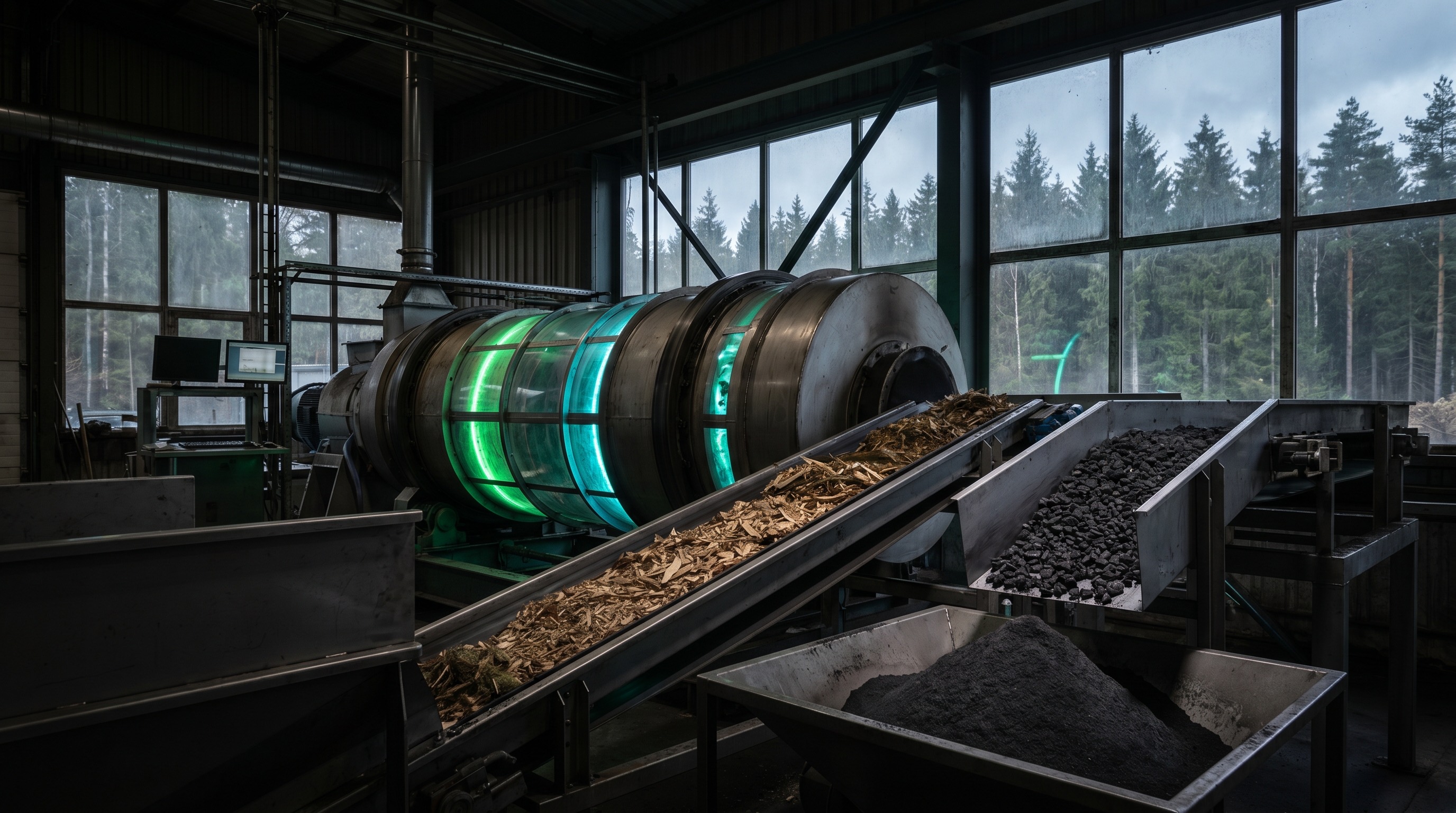
ResolutX's approach uses pyrolysis technology — thermal decomposition of organic materials without oxygen. When designed correctly, the process is carbon-negative: it sequesters more carbon than it releases.
Biochar produced in the process locks carbon for centuries. Biomass waste becomes the feedstock. The process can be energy-positive. Net result: graphene production that takes more carbon out of the atmosphere than it puts in.
Carbon Sequestration
Biochar locks carbon for centuries — measured via lifecycle assessment.
Waste-to-Value
Converts biomass waste into graphene. Feedstock that would otherwise emit CO2.
Energy Recovery
Process design allows energy-positive operation. Heat feeds back into the system.
Verified Claims
LCA verification details published as they become available.
Support Graphene Research Coordination
Every token purchased contributes to the ecosystem treasury funding research, partnerships, and production infrastructure.